

2025 is the year of AI. The role of a CTO or VP of Engineering is about way more than just overseeing tech. Great engineering leaders are business partners, culture drivers, and experts in making things run smoothly. They need to juggle new technologies, strong teams, and smart budgeting to help the company grow and innovate.
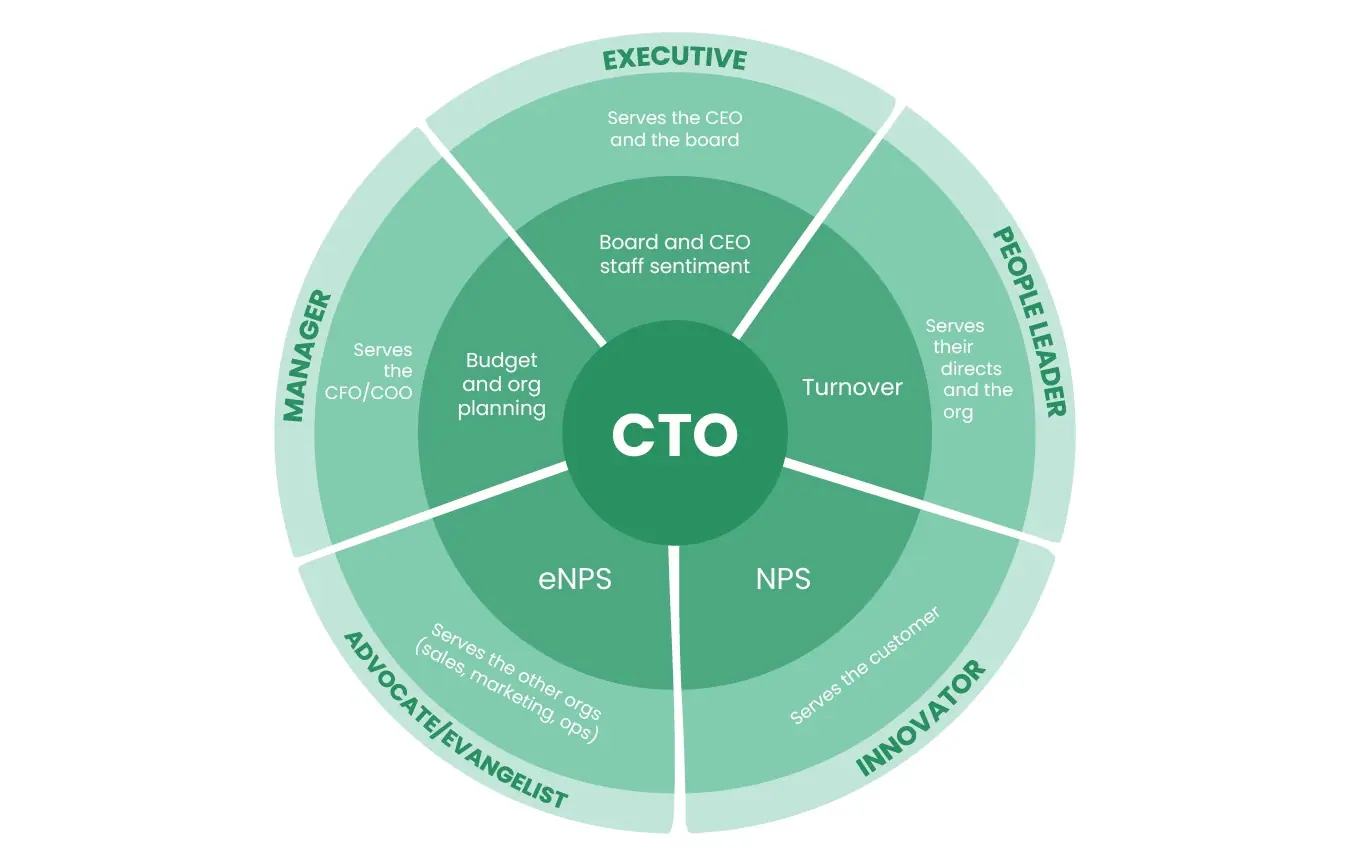
So, what does it really take to thrive in this role today? Here are the key areas that matter most.
1. Building and leading great teams
People are the backbone of any strong engineering org. A top-notch CTO knows how to find, grow, and keep amazing talent. It's not just about hiring smart developers... It's about creating a space where people want to do their best work. That means supporting learning, encouraging curiosity, and building a culture where people feel safe to share ideas. Strong leaders offer growth paths, mentorship, and meaningful challenges to keep teams motivated. They know that investing in their team pays off big time, both now and down the line.
2. Creating a strong technical brand
These days, your engineering team's reputation can have a big impact on the business. The CTO helps shape that brand, both inside and outside the company. It's not just about building great products; it's also about showing off the innovation behind the scenes. Whether it's through conference talks, open-source contributions, or blog posts, helping the team share their work publicly builds trust and attracts top talent, partners, and investors. A respected tech brand becomes a magnet for opportunities.
3. Making mergers & acquisitions work
For growing companies, M&A can be a big part of the game plan, and the CTO plays a key role in making them work. From the early due diligence phase to post-acquisition integration, they make sure the tech fits and the teams come together in the right way.
Instead of forcing everyone onto the same tools and processes right away, a smart CTO focuses first on understanding people, strengths, and workflows. The goal is to get real business value, whether that's expanding into new markets, acquiring great talent, or adding new capabilities without causing chaos.
4. Boosting efficiency
Scaling isn't easy, and efficiency matters. A future-focused CTO invests in the right tools, systems, and habits that help teams move faster and do more. It's about tracking what matters, cutting down on waste, and making sure things run smoothly as the company grows.
5. Planning for the unexpected
What happens if a system crashes or a team lead moves on? A solid CTO has a backup plan. That includes building resilient systems and having clear succession plans in place. It's about keeping things stable, no matter what comes up.
Conclusion
Today's CTO is a mix of strategist, team builder, tech expert, and public face of the engineering org. They lead with people, shape the brand, and help the business move faster and smarter. By focusing on team strength, reputation, and smart integration, they move beyond just "running tech" to become a key part of the company's leadership and long-term success.
Originally published on LinkedIn.